Amsterdam’s coffee shops are quietly losing their crown to an unlikely duo of contenders. Bangkok’s dispensaries multiplied from zero to over 6,000 within eighteen months of Thailand’s 2022 decriminalization, while Barcelona’s private cannabis social clubs now host 200,000 members across 300 establishments. The numbers tell a story of rapid market disruption. These cities offer what Amsterdam increasingly restricts: accessible cannabis tourism combined with cultural sophistication. The global cannabis travel map is being redrawn faster than most realize.
Amsterdam’s Decline: From Cannabis Capital to Cultural Tourism Hub
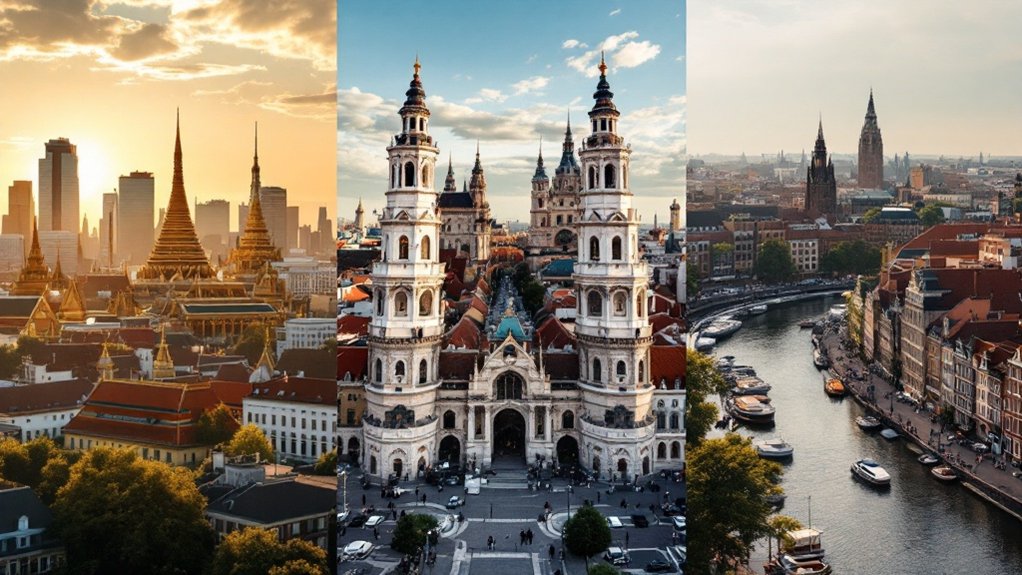
Once the undisputed cannabis capital of Europe, Amsterdam has witnessed a dramatic transformation as restrictive policies and shifting priorities have fundamentally altered its relationship with marijuana tourism.
The city banned public cannabis smoking in central areas in May 2023, imposing €100 ($117 USD) fines on violators. This crackdown reflects broader efforts to rebrand Amsterdam’s image.
The numbers tell a stark story. Coffeeshop outlets plummeted 40% from 1,179 in the late 1990s to just 702 by the late 2000s.
While a quarter of Amsterdam’s 4-5 million annual tourists still visit coffeeshops, only 10% cite cannabis as their primary motivation.
Tourism officials now emphasize museums, canal cruises, and cultural heritage over cannabis culture. The shift has cost the city an estimated €300-600 million ($350-700 million USD) in annual cannabis retail revenue, forcing Amsterdam to pivot toward sustainable cultural tourism. Complaints from residents about misbehaving tourists have accelerated these policy changes, as local authorities prioritize community concerns over cannabis tourism revenue.
Bangkok’s Rapid Rise and Strategic Policy Reversal
While Amsterdam struggled with cannabis tourism‘s complexities, Bangkok emerged as an unlikely contender in Asia’s first major experiment with marijuana liberalization. Thailand’s June 2022 decriminalization sparked a dispensary gold rush, with thousands of cannabis shops flooding Bangkok’s streets virtually overnight.
The Bhumjaithai Party championed marijuana as farmers’ salvation while tourists flocked from restrictive neighboring countries.
However, Bangkok’s cannabis dream proved short-lived. The June 2025 policy reversal reclassified cannabis flowers as controlled herbs, requiring prescriptions for purchase and banning recreational sales. Under the new regulations, growers must obtain GACP certification from the Department of Traditional and Alternative Medicine, a process that takes 90 to 180 days to complete. Violators now face penalties of up to one year in jail and fines of $650.
Dispensaries faced closure while tourists suddenly needed medical documentation for legal access. The Pheu Thai Party’s regulatory crackdown, citing youth addiction concerns, effectively ended Bangkok’s brief reign as Asia’s cannabis capital leaving entrepreneurs scrambling and the industry’s future uncertain.
Barcelona’s Cannabis Social Club Model Attracts European Tourists
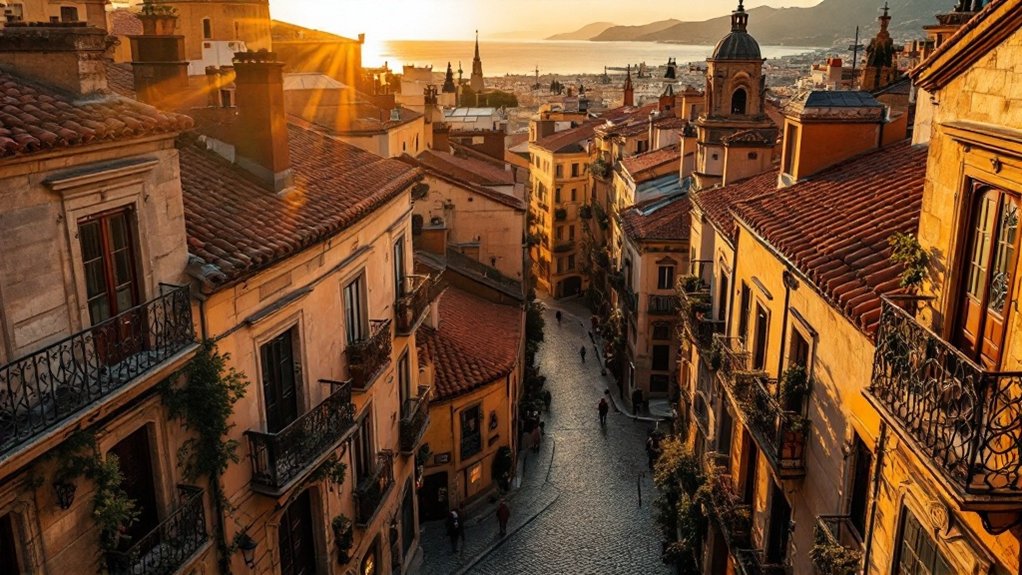
How did Barcelona quietly position itself as Europe’s most innovative cannabis destination while other cities grappled with regulatory chaos? The Spanish city developed a sophisticated social club model that operates within legal gray zones while attracting thousands of European tourists annually.
Over 200 private, non-profit cannabis associations now function across Barcelona, requiring official registration and closed membership systems. These clubs share cannabis collectively rather than selling it commercially, with membership fees offsetting operational costs. Production of cannabis is restricted to members’ needs only, ensuring clubs operate within the legal framework established by Supreme Court rulings.
The model differs dramatically from Amsterdam’s open coffee shops, Barcelona’s clubs remain strictly private venues accessible only through invitations or referrals.
Most clubs welcome tourists aged 18-21 with proper documentation, though policies vary greatly. This membership-based approach generates substantial local tax revenue while fostering community-oriented consumption, positioning Barcelona as Amsterdam’s sophisticated European alternative.
However, recent enforcement actions have created uncertainty, with the Barcelona City Council ordering 30 clubs closed in early 2024 for violating municipal ordinances as part of efforts to reduce cannabis tourism.
Tourism Economics and Market Dynamics Across Cannabis Destinations
Barcelona’s membership model represents just one piece of a rapidly expanding global puzzle worth $12.2 billion in 2024.
Barcelona’s unique approach exemplifies the explosive growth potential within the $12.2 billion cannabis tourism industry transforming global travel markets.
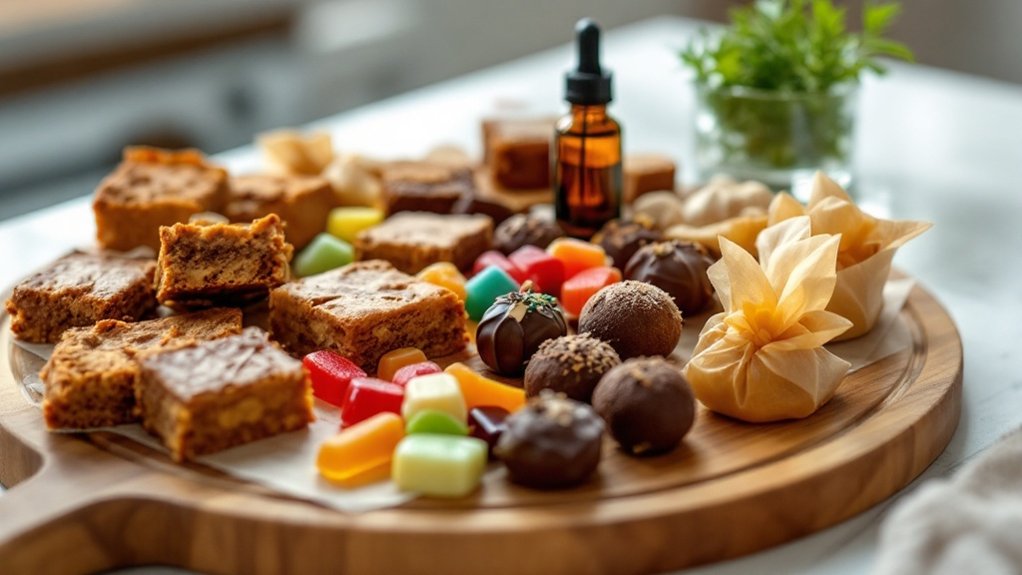
The cannabis tourism market projects explosive growth to $25.7 billion by 2030, driven by diversifying revenue streams beyond simple consumption. Dispensary partnerships with hotels and restaurants increase average tourist spending, while experiential offerings like cultivation tours and cooking classes amplify local economic multipliers. Edibles businesses are particularly successful when consistent dosing is prioritized to ensure tourist satisfaction and repeat visitation.
Market dynamics reveal shifting demographics, with the 25-44 age group expected to command $13.3 billion by 2030. Women now comprise over one-third of consumers, reshaping destination marketing strategies. Cannabis destinations benefit from economic multiplier effects, as every $10 spent at dispensaries injects an additional $18 into local economies. American cities demonstrate this growth potential, with 47% of Americans having tried cannabis at least once and 15% reporting current usage.
However, pricing pressures challenge profitability as retail prices dropped 32% between 2021-2023. Top brands consolidate market share through premium experiences and exclusivity, forcing cannabis-friendly accommodations to differentiate through specialized services rather than compete solely on price.

As cannabis tourism matures beyond Amsterdam’s coffeehouse culture and Denver’s dispensary crawls, the industry pivots toward wellness-integrated experiences that prioritize mindfulness over indulgence.
Upscale retreats in destinations like Humboldt County and New York’s Hudson Valley now blend low-THC products with yoga sessions, sound baths, and forest bathing ceremonies.
Premium offerings include gourmet cannabis-infused dining, spa treatments, and guided cultivation tours that educate rather than intoxicate.
The market targets sophisticated travelers aged 25-44, projected to drive the sector to $13.3 billion by 2030.
Female wellness seekers increasingly choose mindfulness-based experiences over recreational excess. These curated experiences reflect tourists’ growing demand for farm tours, dispensary education, and cooking with cannabis that emphasize learning over simple consumption.
Cannabis-friendly boutique hotels and luxury resorts curate packages featuring plant medicine seminars, organic meals, and holistic therapies, transforming stoner tourism into sophisticated lifestyle enhancement. These destinations prioritize ethical sourcing practices as conscious consumers increasingly demand transparency about cultivation methods and sustainable production.
Many of these premium cannabis destinations are embracing veteran leadership in their operations, leveraging military discipline to ensure consistent product quality and rigorous compliance with varied international regulations.